Fixtures
Faucet Repair in Boerne, TX: Dripping Spouts, Worn Cartridges and Leaks Under the Basin
A drip that will not stop, a tap that has gone stiff, or water quietly collecting in the cupboard below. Small jobs, and the cheapest ones on this site to put right.
Or call (833) 571-0120 and describe what you are seeing.
A drip is not a small amount of water
It is easy to leave a dripping tap for months, because each drop is obviously trivial. The arithmetic is less trivial. A steady drip at one per second puts roughly three thousand gallons a year down the drain, which you are paying to have delivered and treated. For faucet repair, Boerne homeowners can often replace just the worn cartridge instead of the whole tap.
That is worth more attention here than in most places. Kendall County sits inside the Hill Country Priority Groundwater Management Area, which was declared a Critical Groundwater Area back in 1990, and the City of Boerne operates a staged drought plan that restricts outdoor water use when conditions call for it. Water going down a drain for no reason is a poor use of a supply the whole area watches carefully.
The practical point for you is simpler: a cartridge is one of the least expensive parts in the building, and replacing one takes very little time.
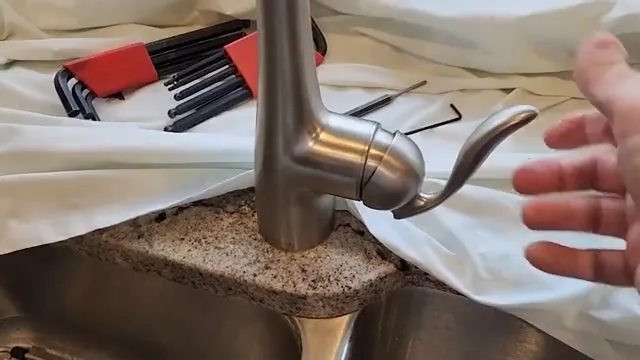
Where a tap leaks, what usually causes it and the usual fix
| Where it leaks from | Usual cause | Typical fix |
|---|---|---|
| The spout, when fully closed | Worn cartridge, or a damaged seat on an older tap | Cartridge or seat and washer |
| Around the base of the handle | Perished O-rings on the stem | O-ring set |
| Under the spout where it swivels | The swivel O-ring | O-ring, no need to replace the tap |
| The body of the tap itself | A crack or a failed casting | Replacement tap |
| Only when the tap is running | A supply connection or the tail nut | Reseal or renew the flex connector |
| Constantly, inside the cabinet | Supply line, isolating valve or waste joint | Depends which; see below |
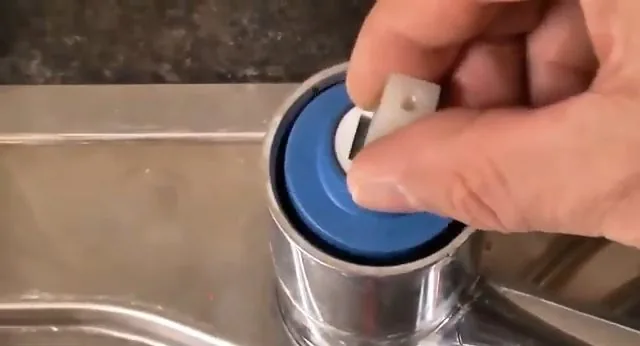
Mixer taps and single-lever taps nearly always come down to a cartridge, and cartridges are specific to the model rather than universal. Getting the right one first time is most of what makes this a quick job, which is why it helps if you can tell us the make, or send a photo of the tap when you call.
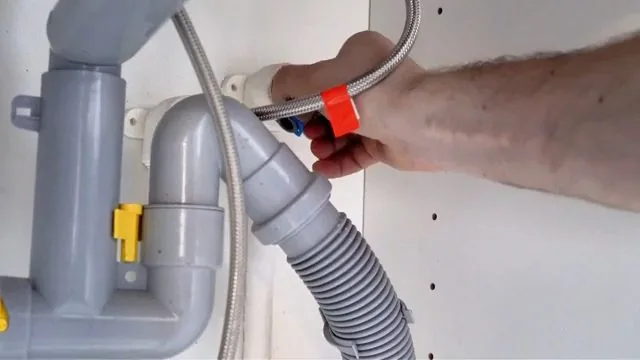
Under the sink: where small leaks do real damage
The cupboard under a sink is where a slow leak does the most harm for the least drama. Nothing drips visibly, nothing sounds wrong, and then eighteen months later the cabinet base is soft and the floor underneath it has gone.
The usual sources are the flexible supply connectors, which perish at the crimp; the isolating valves, which weep at the spindle once they have sat untouched for years; and the waste trap connections, which loosen with use. None of these is an expensive repair. The damage they cause when left is.
Worth checking twice a year, takes two minutes
- Run your hand along the flexible connectors, especially where the braid meets the fitting
- Look for a white or green crust on valves and compression fittings, which is a slow weep that has been drying
- Press on the cabinet base at the back corners and feel for softness
- Check the trap joints after anything has been stored hard against them
- Look where the waste leaves the cabinet, which is where movement shows first
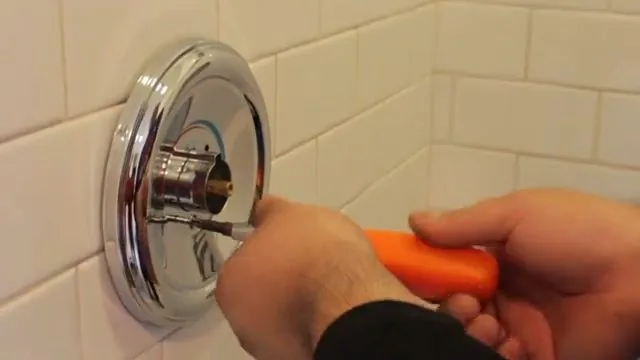
Showers, baths and the valve behind the wall
Shower and bath fittings are the same category of work with a harder access problem. A shower valve that has started passing water when closed, or a bath spout that keeps running when the diverter is up, is a cartridge or a diverter fault rather than anything structural.
The thing worth knowing is what to do when a shower leak is not coming from the valve. Water appearing on a ceiling below a bathroom, or on a wall next to a shower, is often the pan, the waste connection or failed sealing rather than the plumbing. We can tell you which of those it is, and we will say plainly when it is a sealing and tiling job rather than ours.
Outdoor taps and hose bibs
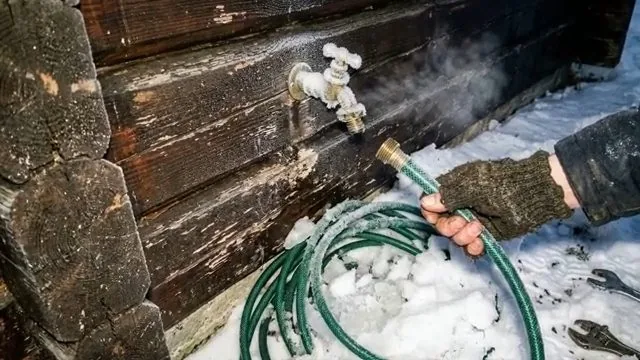
Outside taps take the worst of it: sun, physical knocks from hoses, and the hard freezes that come through the Hill Country every few winters. A hose bib that drips from the spindle when the hose is attached usually needs a washer and a new packing nut. One that drips from the wall behind it, or that has no pressure after a cold snap, is a split in the pipe behind the fitting and that is a different, more urgent job.
The most useful thing you can do before winter is disconnect every hose. A hose left attached traps water in the bib where it can freeze and split the body, and that split often does not show until the first warm day when you turn it on and water appears inside the wall. If a line has already split, our burst and broken pipe repair page covers that work.
Fitting new taps and sinks
-
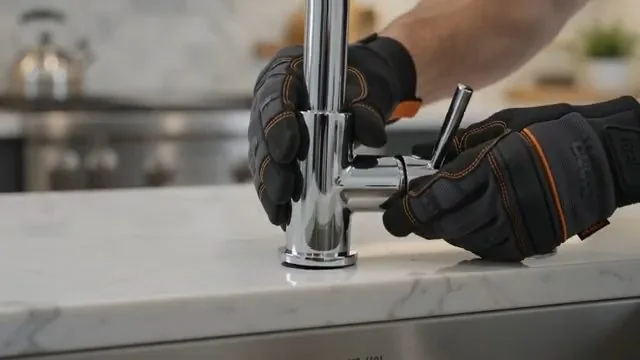
Isolate and drain
At the local isolating valves where they exist and work, at the main where they do not. Old valves that have never been turned sometimes will not, and that becomes part of the job.
-
Remove the old fitting
Usually the slowest part on anything that has been in place for years, especially where the back nut has corroded in a confined space.
-
Check what is behind it
A tap change is the one time the connections are exposed. If a supply line is perished or a valve is weeping, replacing it now costs very little and saves a second visit.
-
Fit, seal and connect
New flexible connectors as a matter of course rather than reusing old ones, which is where leaks after a fixture change nearly always come from.
-
Run and check every joint
Under pressure, with the cupboard dry and a light on it, not just a glance.
Bundle several small fixture jobs into a single visit
Several small jobs around the house? Mention them all on the call and we will usually do them in one visit.
Call (833) 571-0120Taps and sinks in garages, attics and utility rooms
Fixtures outside the kitchen and bathroom are used less, so a failing one can leak for a long time unnoticed. A utility sink in a garage, a laundry standpipe, a supply line to a second-floor air handler or an attic water heater all share the problem: the leak lands somewhere nobody looks.
When you call about one of these, say where it is and what is under it. A leak above a ceiling or inside a finished wall changes the visit, and a plumber may want to check the surrounding material for damp as well as replace the part.
Fixture questions from Boerne
Why does my toilet run on its own without being flushed?
Almost always the flapper or the fill valve. The flapper is the rubber seal at the bottom of the cistern, and when it hardens or warps it lets water seep into the pan until the level drops far enough to trigger a refill. That is the sound you hear. A fill valve that does not shut off completely produces the same effect. Both are inexpensive parts and both take minutes to change, and a running toilet wastes considerably more water than a dripping tap.
What does a tap repair cost?
Fixture work is the least expensive category we do. A cartridge or washer change is a short visit and an inexpensive part, and because the visit is the bigger share of the cost it is worth having several small jobs done at once rather than separately. Our cost page carries wide ranges, and we will tell you on the phone if what you are describing sounds like a replacement rather than a repair.
Is it worth repairing an old tap or should I just replace it?
If the body is sound and the right cartridge is available, repair, and it is usually both cheaper and a better tap than an inexpensive replacement. If the body is cracked, the finish has gone, or the model is old enough that parts are no longer made, replacement is the sensible spend. We will tell you which you have before doing anything, and we would rather fit a part than sell you a tap.
How do I check a plumber's license before letting them in?
Texas plumbers are licensed by the Texas State Board of Plumbing Examiners, which runs a public license lookup, and the City of Boerne requires contractors to be registered with the city to work inside city limits. Ask for the license number, check it yourself, and do that for any trade you let into the house. It takes a minute and nobody legitimate objects.
My water pressure dropped at one tap only. Is that a leak?
Usually not. A single fixture losing pressure while everything else is normal is nearly always the aerator at the end of the spout clogging with sediment or scale, and it unscrews and rinses clean in a couple of minutes. If the pressure has dropped across the whole property, that is a different question and worth looking at properly, because it can point at a supply-side leak between the meter and the house.
Have a dripping tap or a leak under the sink?
Fixture work is quick and we can usually fit several jobs into one visit, so it is worth mentioning everything at once.