Leak detection
Water Leak Detection in Boerne, TX: High Bills, Hidden Pipes and Finding the Source Before Digging
A bill that climbed with nothing visibly wrong. We confirm water is actually moving, then find where, before any wall, slab or ground gets opened.
Or call (833) 571-0120 and describe what you are seeing.
The test you can do before calling anyone
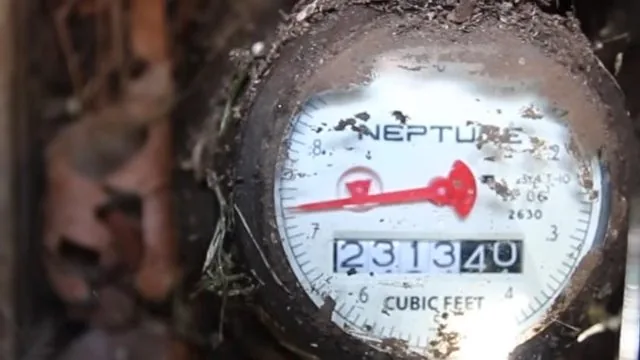
Leak detection starts with a question that costs nothing to answer: is water actually escaping? Turn off every fixture and appliance in the property, then look at the water meter. If the dial or the leak indicator is still turning, water is going somewhere on your side of the meter. Underground leak detection in Boerne usually means a leak in the buried service line between the meter and the house, which is exactly what this meter test points at before anything is dug up.
That one check separates a genuine leak from a usage question or a billing error, and it is the most useful thing you can tell us on the phone. If the meter is still, you may not have a leak at all, and we would rather say so than start a search. Boerne TX leak detection usually starts at the water meter, before anything is opened.
-
Close everything
Taps, the washing machine, the dishwasher, any ice maker, and the irrigation controller. Irrigation is the one people forget, and it is a common culprit here.
-
Read the meter and note the time
Write the reading down rather than trusting memory. Small leaks move slowly.
-
Wait an hour or two, then read it again
Any movement at all with nothing running means water is escaping.
-
Try isolating the house
If there is a stop tap between the meter and the building, close it and re-check. Movement with the house isolated points at the service line in the yard rather than inside.
Signs worth acting on before the bill arrives
Early warnings people tend to dismiss
- The sound of water moving with every tap closed, usually clearest at night
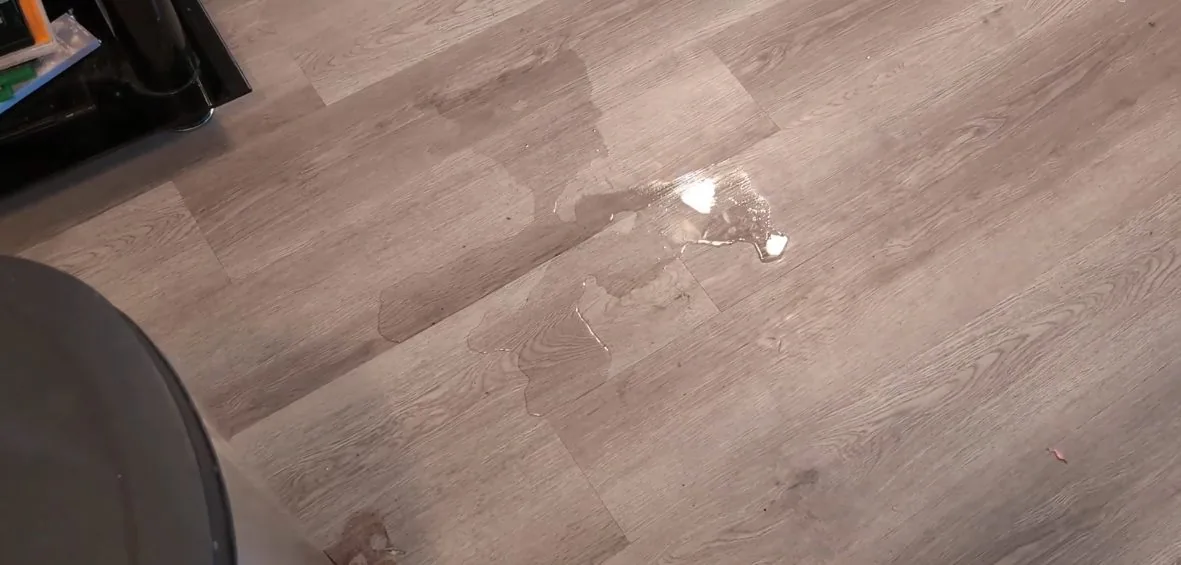
- A warm patch on a floor, which points at the hot line
- A stain or blister appearing on a ceiling or at the base of a wall
- Pressure that has dropped across the whole property rather than at one tap
- A patch of lawn that stays green or soft while the rest dries out
- A musty smell in one room that does not shift with ventilation
- A bill that stepped up and stayed up rather than spiking once
The green-patch one matters more here than in wetter places. Kendall County has been running a real moisture deficit, with Cow Creek Groundwater Conservation District recording September 2026 rainfall of 0.49 inches against a 3.82 inch historical average. When everything else is parched, a strip of ground that stays soft is unusual enough to be worth investigating.
Narrowing a leak to one marked spot before anything is opened
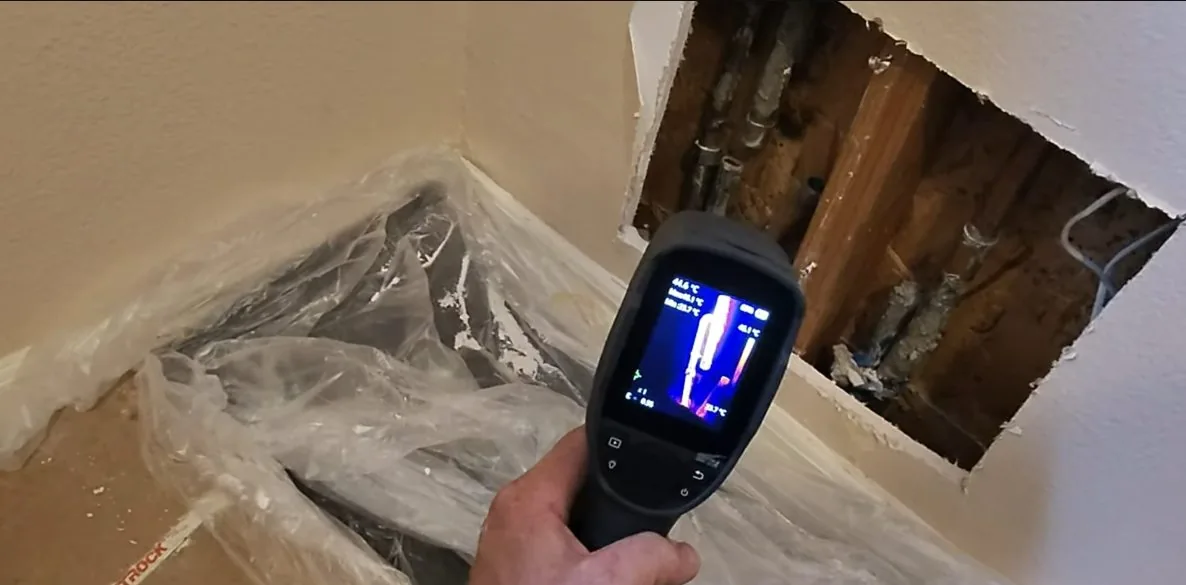
Once the meter confirms movement, the job is narrowing a whole property down to a point. We work from the least invasive method outward, and nothing gets opened up until we can mark the spot.
Acoustic location
Pressurised water escaping makes a sound, and ground microphones and contact probes pick it up through slab, soil and wall. It is the primary tool for concealed and under-slab leaks, and it is why we ask about quiet times of day when we book.
Thermal imaging
A hot line leaking under a floor leaves a temperature signature that a thermal camera reads straight off the surface. On the cold line it works less often, which is worth knowing rather than being told it is a cure-all.
Pressure testing and isolation
Isolating sections and watching whether pressure holds tells us which run is involved, often before any listening equipment comes out. On a large property it is frequently the fastest route to the right half of the building.
Tracer gas, where the others cannot reach
For buried service lines and awkward runs, a safe tracer gas introduced into the line surfaces at the break and is picked up at ground level.
Leak detection in a business: testing section by section around trading hours
The methods are the same; the constraints are not. On a commercial site the job is usually to isolate and test section by section without shutting the whole building down, and to work around trading hours rather than through them. Larger premises also tend to mask a leak for longer, because a continuous background flow looks like normal consumption on the bill until someone compares it with last year. Broader business plumbing services have their own page.
Leaks in the yard and on the service line
A leak between the meter and the house is one of the more expensive ones to ignore, because it runs continuously and you pay for every gallon. The tell is usually the isolation test: if the meter keeps moving with the house shut off, the leak is outside.
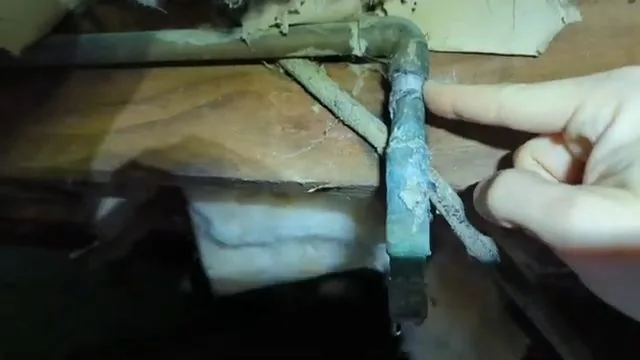
Ground movement is the usual driver here. Shrinking soil in a dry spell loads buried lines, and the joint or the fitting gives before the pipe does. Where the line turns out to be split rather than weeping, that work is covered on our split pipe repair page.
Before any digging, on any property
Utility locating comes before excavation, always. That applies to us and to you, and it is worth saying plainly because a buried gas or electrical service is not something to find with a spade.
Irrigation and sprinkler leaks
Irrigation is the single most common thing missed in a meter test, because the controller runs on a schedule rather than when anyone is watching. A valve that does not close fully, or a cracked lateral under a bed, can run for hours at a time without anyone seeing water.
It is also the leak with the most awkward consequences locally. The City of Boerne operates a staged drought plan, and at Stage 2 irrigation is limited to one day a week by the last digit of your street address, between 7 and 11 in the morning and 7 and 11 in the evening, with fines of up to a thousand dollars for watering outside your window. A leaking irrigation system can put you outside that window without you doing anything at all. The city publishes the current stage, which is worth checking rather than assuming.
Worth knowing too: sprinkler systems in Boerne require a permit from the city. If yours went in without one, that is worth resolving before it becomes somebody else's question.
Pools, pinholes and the leaks that are not what they look like
Pool and spa
A pool losing more than evaporation accounts for is usually a plumbing line, a fitting or the structure. The bucket test separates evaporation from a real loss, and after that it is a detection job much like any other buried line.
Pinholes in copper
A pinhole is a tiny perforation that sprays rather than drips, and it frequently appears on a run rather than in isolation. One pinhole in a copper line is a repair. Three in two years on the same run is the system telling you something, and at that point replacing the run usually costs less than chasing the next one.
Ceilings, walls and the question of whose job it is
Water showing on a ceiling or an upper wall is the one where honesty saves you the most money. It can be a supply line, a waste connection, a shower pan or its sealing, condensation from an air conditioning line, or the roof. Those are four different trades.
We can establish whether the plumbing is involved, and we will tell you plainly when it is not. A plumber who opens a ceiling to find a roof problem has still charged you for opening the ceiling.
Gas leaks are a different procedure entirely
If you can smell gas, stop reading and do this
Leave the building. Do not touch light switches, appliances or anything else electrical on the way out. Call the gas utility and emergency services from outside, and let them make the property safe.
Only once the supply is isolated and the property is declared safe does a plumber have a part to play. We do gas line work, and it is covered on our gas line repair and leak detection page, but the order matters and no plumbing job is worth getting it wrong.
Once you know water is moving
If the meter moved during your test, that is an active leak. The sooner it is located, the less gets opened up to reach it.
Call (833) 571-0120Leak detection questions from Boerne
My water bill jumped but I cannot see a leak anywhere. What now?
Do the meter test first. With every fixture, appliance and the irrigation controller off, note the meter reading, wait an hour or two, and read it again. Any movement means water is escaping on your side of the meter. If there is a stop tap between the meter and the house, closing it and re-testing tells you whether the leak is inside the building or out in the yard. That is two pieces of information we would otherwise spend an hour establishing.
What does leak detection cost?
Detection is priced separately from the repair, because until it is located nobody can quote the repair honestly. A straightforward internal location is a modest call-out. A buried service line across a large lot, or a slab leak needing acoustic work and tendon scanning, takes longer and costs more. Our cost page carries wide ranges, and we will tell you on the phone when the meter test suggests something simple.
Is the plumber licensed, and how do I check before work starts?
Texas licenses plumbers through the Texas State Board of Plumbing Examiners, which publishes a public license lookup, so you can verify a license number yourself. The City of Boerne separately requires contractors to be registered with the city to work inside city limits. Both are fair questions and worth asking of any trade you let into the house.
Can you find a leak without digging up the yard or breaking the floor?
Locating it, almost always. Acoustic equipment, thermal imaging, pressure isolation and tracer gas are all non-destructive, and the whole point is to turn a whole property into a marked spot before anything is opened. The repair itself may still need access, but it is a targeted opening rather than exploratory digging, which is usually the difference between a repair and a renovation.
The ceiling is stained but I am not sure it is plumbing. Will you still come?
Yes, and we will tell you if it turns out not to be ours. A ceiling stain can be a supply line, a waste connection, a shower pan, an air conditioning condensate line or the roof. We can rule the plumbing in or out, which is genuinely useful even when the answer sends you to a different trade. What we will not do is open a ceiling on spec and charge you for finding somebody else's problem.
Meter still turning with everything off?
That is an active leak and it will not stop on its own. Tell us what you have noticed and we will narrow it down.