Water treatment
Water Softener Installation in Boerne, TX: City Water, Private Wells and Whether You Need One
Scale on fixtures, spotted glassware, appliances dying early. We test your water before recommending anything, because the right answer here depends on where your water comes from.
Or call (833) 571-0120 and describe what you are seeing.
Where your water comes from changes the answer
The standard local line is that Boerne is hard-water country and every house needs a softener. That is half right, and the half that is wrong will cost you a few thousand dollars if you act on it without checking. Boerne water softener installation is worth considering only after a hardness test, because the supply is not straight limestone groundwater.
The City of Boerne's 2025 drinking water quality report, system TX1300001, puts the 2025 supply at roughly 79 percent surface water: about 65 percent purchased from the Guadalupe-Blanco River Authority's Western Canyon project, sourced at Canyon Lake, plus about 14 percent from Boerne Lake. Groundwater from the Trinity Group aquifers makes up the remaining 21 percent. A property on city supply is drinking a blend that is mostly surface water, not straight limestone groundwater.
Out past the city system it is a different picture. Kendall County has substantial private well use, and those wells draw from the same Trinity Group aquifers through limestone. That is where the hard-water story is reliably true, and where softeners most often earn their cost.
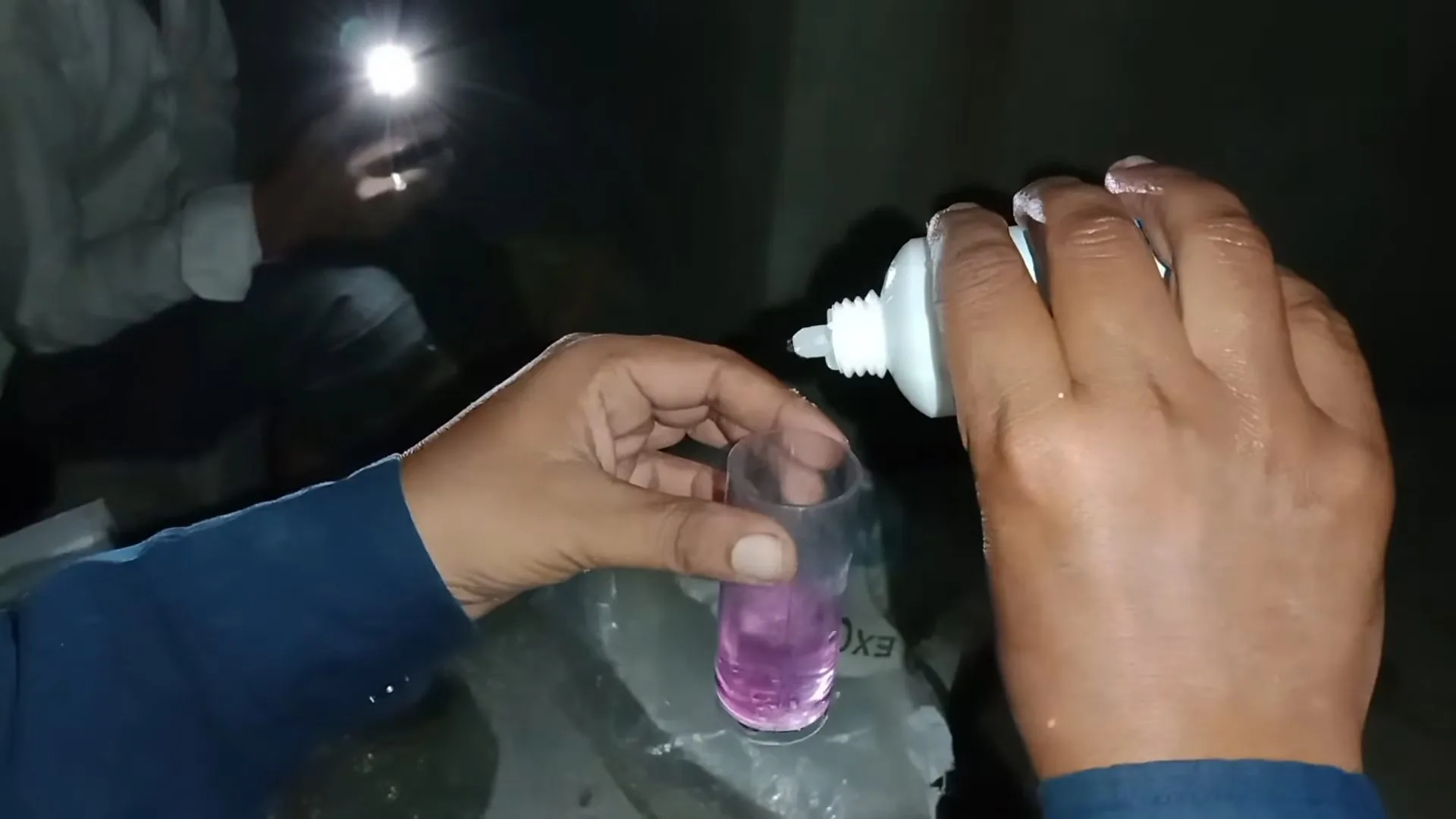
Why there is no hardness figure here, and how to get yours
Why there is no grains-per-gallon number on this page
We tried to confirm one. The city's 2025 report does list total hardness, but we could not extract a figure we were confident enough in to publish, and almost every number circulating locally comes from companies that sell water treatment and therefore have an interest in a high one.
Two ways to get a real answer. Boerne Utilities will tell you the current figure for the city supply on (830) 248-1538. Or we test at your tap, which is the only number that actually describes your property, particularly if you are on a well.
We would rather send you to the utility for a number than invent one, and we would rather test than sell on a generalisation. That is also the honest answer to why a competitor's confident hardness figure and ours differ.
What hard water actually does, and what it does not
Genuine effects worth addressing
- Scale inside water heaters, which reduces efficiency and shortens life
- Scale narrowing the heat exchanger in a tankless unit, which is why descaling intervals matter
- Deposits on taps, shower screens and kettle elements
- Spotting on glassware and more detergent needed for the same result
- Scale in appliance valves, which is a common cause of early dishwasher and washing machine faults, and the same scale that shortens a water heater's life
What hard water does not do is make water unsafe. Calcium and magnesium are a nuisance and a maintenance cost, not a health matter. If your concern is taste, sediment or what is in the water rather than what it does to the plumbing, a softener is the wrong product and our filtration options page covers the right one.
Softener, conditioner or filter: what each system addresses
| System | What it addresses | Worth knowing |
|---|---|---|
| Ion exchange softener | Hardness, scale | Adds sodium; needs salt topped up and periodic regeneration |
| Salt-free conditioner | Scale formation, not hardness itself | Water stays hard by measurement; no salt, no discharge |
| Softener plus sediment pre-filter | Hardness with well-water grit | The usual answer on a private well |
| Point-of-use filtration | Taste and drinking water quality | A different problem; see the filtration page |
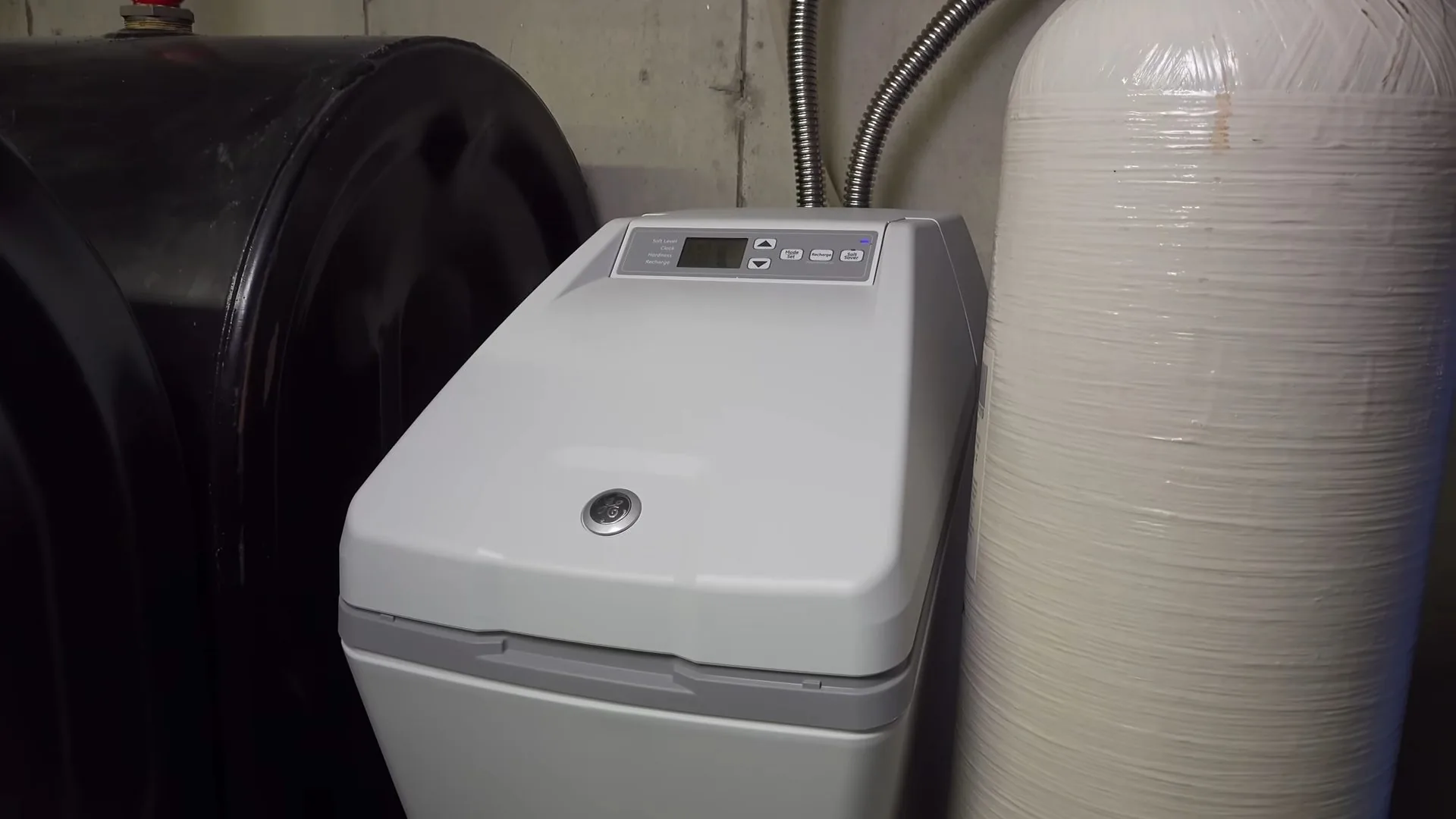
Sizing comes down to household size, water use and the hardness figure from the test. An undersized unit regenerates constantly and wears out early; an oversized one wastes salt and water. Neither is dramatic, but both are avoidable with a test first.
Get the water tested before buying a softener
Before buying a softener, get the water tested. On city supply the answer is less obvious than the advertising suggests.
Call (833) 571-0120Water treatment questions from Boerne
Does Boerne have hard water, and do I need a whole-house softener?
Less straightforwardly than you will have been told. The city's 2025 water quality report shows a blend of roughly 79 percent surface water, mostly from the Western Canyon project at Canyon Lake, with about 21 percent Trinity Group groundwater. A house on city supply is not on straight limestone groundwater. Properties on private wells outside the city system generally are, and that is where a softener most reliably pays for itself. The way to settle it for your address is a test, which we will do before recommending anything.
What does a water softener cost to install?
A whole-home ion exchange system installed sits in the low thousands, with the spread driven by capacity, where it has to go, and whether a drain and a power point already exist near the proposed location. A salt-free conditioner is usually less. Our cost page carries wide ranges, and we quote after seeing where it would go and what the test shows.
Do I need a permit, and does a licensed plumber have to fit it?
Installing a softener involves tying into the main supply and providing a drain for regeneration, which is plumbing work rather than an appliance swap. Boerne has adopted the 2021 International Plumbing Code and requires contractors to be registered with the city to work inside city limits. On licensing, the Texas State Board of Plumbing Examiners publishes a lookup so you can verify a license number yourself before work starts.
What is the difference between a softener and a conditioner?
A softener removes calcium and magnesium by ion exchange, so the water is genuinely soft by measurement, at the cost of adding a little sodium and needing salt and a drain. A conditioner changes how the minerals behave so they are less likely to form scale, without removing them, so the water still tests hard but deposits less. If your goal is less scale and you would rather not deal with salt, a conditioner can be the better fit, and it protects a tankless unit's heat exchanger much the same way. If you want soft water for washing and bathing, only a softener delivers that.
I am on a private well. Is it the same job?
Usually a bigger one, and worth doing properly. Well water commonly carries sediment and sometimes iron alongside hardness, so a softener on its own can clog or foul. The normal answer is a sediment pre-filter ahead of the softener, sized from an actual water test rather than assumed. Kendall County wells are regulated by the Cow Creek Groundwater Conservation District, which is also a useful source on local groundwater conditions.
Want to know what is actually in your water?
A test at the tap settles it. Then we can talk about whether a softener is the right spend for your property.