Water treatment
Water Filtration Systems in Boerne, TX: Choosing Between Taste, Sediment and Whole-House Treatment
Taste, sediment, or a well you would like to know more about. Filtration answers a different question from softening, and the two get confused constantly.
Or call (833) 571-0120 and describe what you are seeing.
Filtration and softening solve different problems
These two get sold interchangeably and they are not interchangeable. Softening addresses calcium and magnesium, which cause scale. Filtration addresses what is in the water that you can taste, see or would rather remove: sediment, chlorine by-products, and on a well, a wider range of possibilities. For residential water filtration systems, Boerne homeowners should first decide whether the complaint is taste at one tap or the whole house.
A softener will not improve the taste of your drinking water. A carbon filter will not stop your water heater scaling. Plenty of properties want both, and plenty want only one, and knowing which you are starts with a test rather than a brochure. The scale side is covered on our descaling and softening page.
What is actually in Boerne's supply
The City of Boerne publishes an annual drinking water quality report, and it is the right place to start rather than anyone's marketing. System TX1300001, for 2025, gives the supply as roughly 79 percent surface water, about 65 percent purchased from the Guadalupe-Blanco River Authority's Western Canyon project sourced at Canyon Lake plus about 14 percent from Boerne Lake, with the remaining 21 percent groundwater from the Trinity Group aquifers: locally the Cow Creek, Lower Glen Rose and Upper Glen Rose.
That blend matters for filtration because surface water and groundwater carry different things. Surface-derived supply is more likely to raise taste and disinfection by-product questions. Groundwater raises mineral and sediment ones, and the mineral side is what the softener question turns on. A property drawing a blend can see a bit of both, and the proportions shift through the year with the mix.
For a property on a private well, none of the city figures apply at all. The only meaningful information is a test of your own water, and if you have never had one done, that is the thing to do before buying any equipment. When you weigh residential water filtration systems in Boerne against a single under-sink unit, that test decides which one makes sense.
Where to get the real numbers
Boerne Utilities, on (830) 248-1538, for the city supply and the current annual report.
Cow Creek Groundwater Conservation District, the groundwater authority for Kendall County, at 9 Toepperwein Road on (830) 816-2504, for anything well-related.
Or we test at your tap, which is the only result that describes your property specifically.
Sediment, carbon and reverse osmosis compared by what each fixes
| System | Fitted | Addresses | Trade-off |
|---|---|---|---|
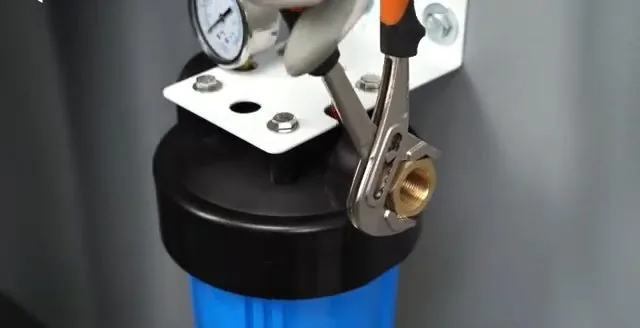
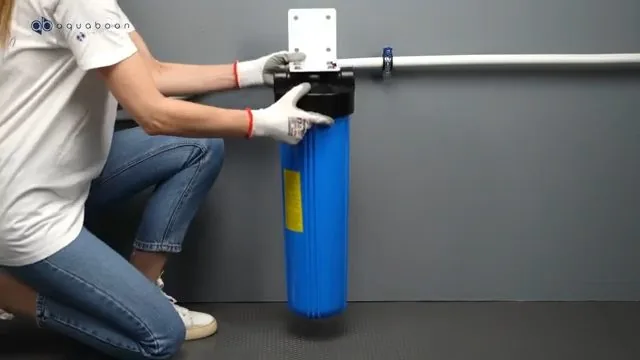
| Sediment pre-filter | Point of entry | Grit, silt, visible particles | Needs cartridge changes; essential on most wells |
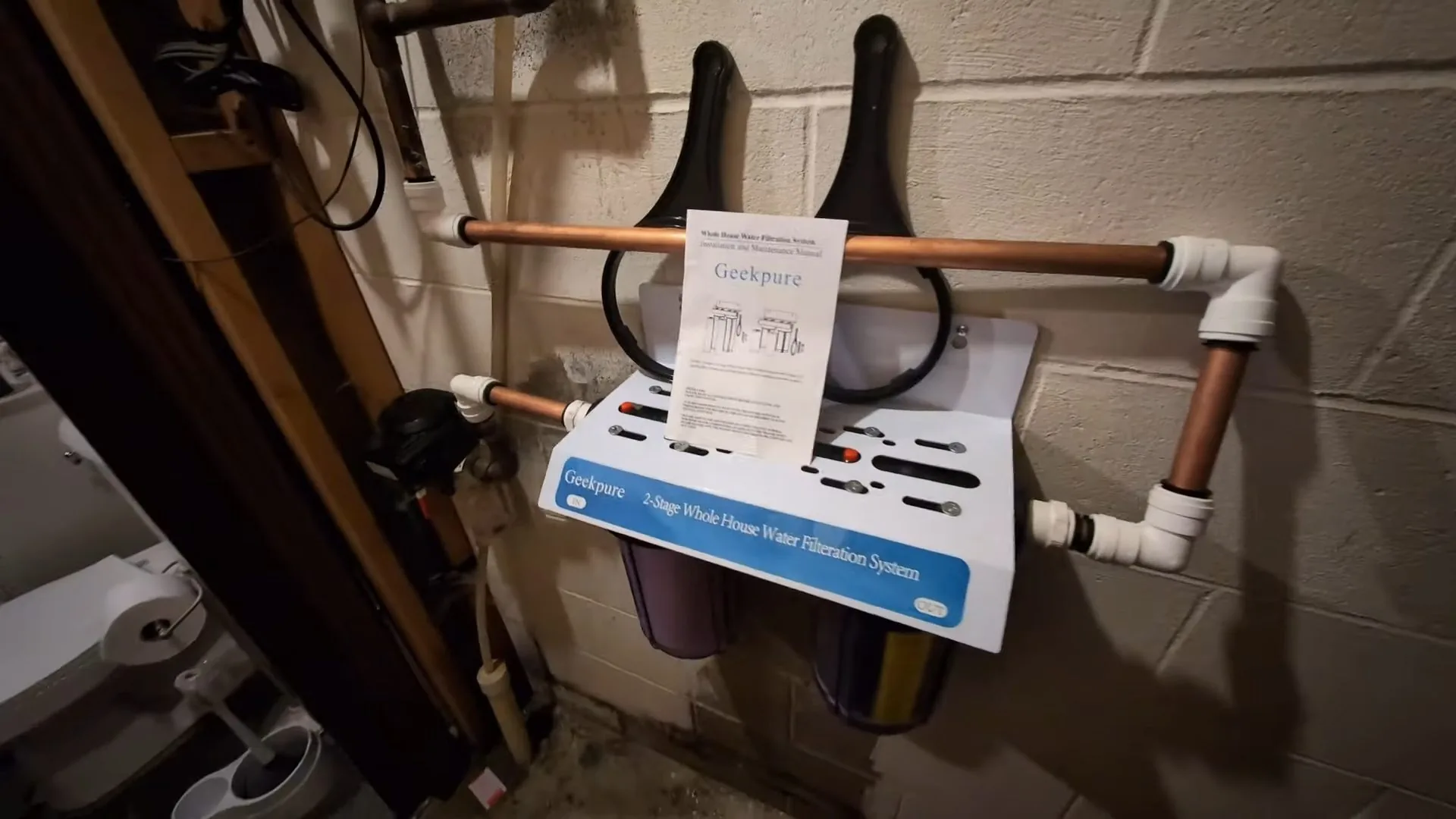
| Whole-home carbon | Point of entry | Chlorine taste and odour throughout | Media replacement every few years |
| Undersink carbon block | Point of use | Taste at the drinking tap | One tap only; cheapest route to better drinking water |
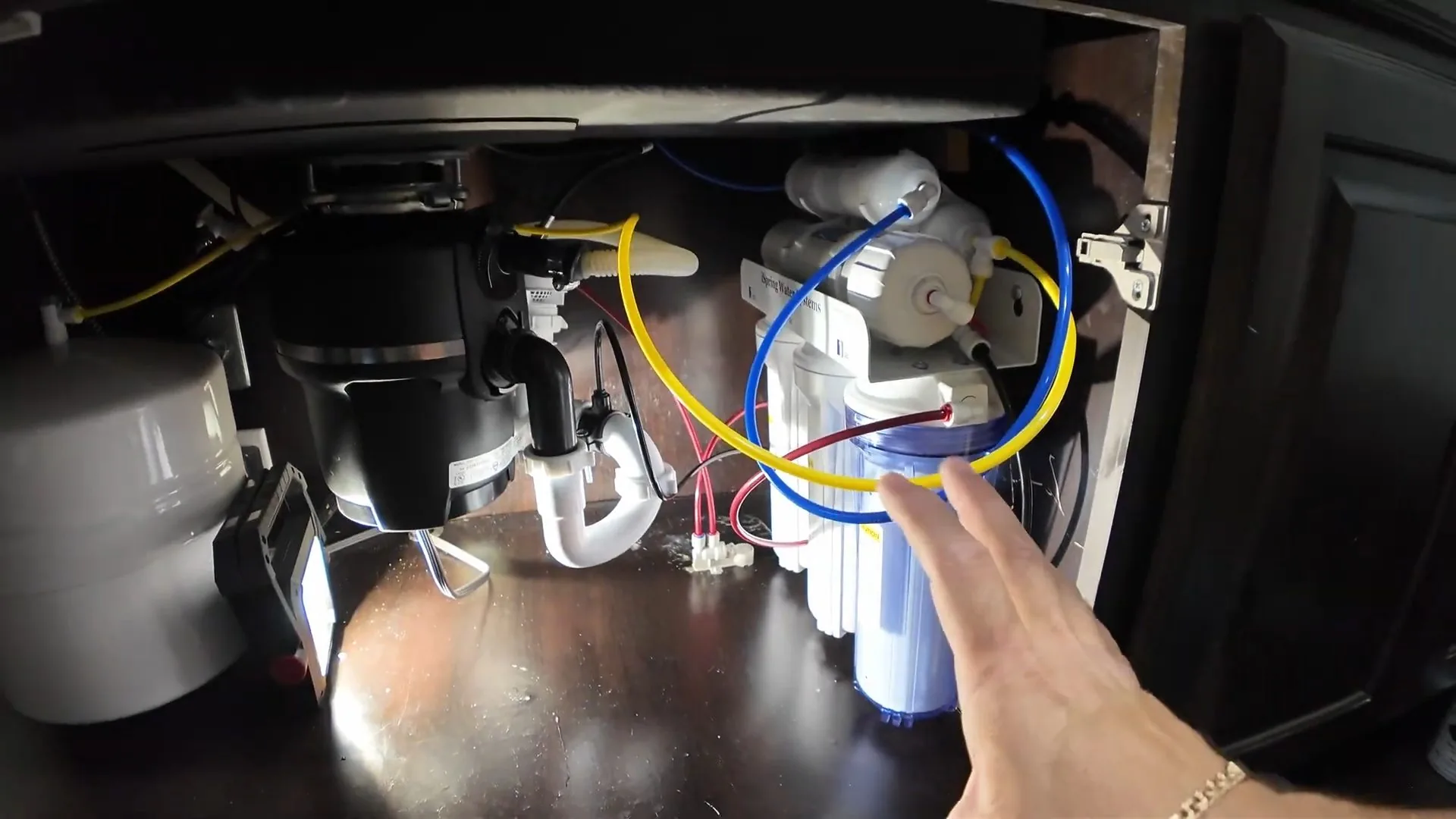
| Reverse osmosis | Point of use | The widest range, down to dissolved solids | Slower, produces some waste water, needs a dedicated tap |
| UV treatment | Point of entry | Biological contamination | Well properties mainly; needs clear water to work |
The most common mistake is buying at the wrong point. If what bothers you is the taste of drinking water, a point-of-use unit at the kitchen tap costs a fraction of a whole-home system and solves the actual problem. Whole-home filtration is for when you want every outlet treated, which is a real requirement on some wells and an expensive luxury on most city-supplied houses.
What reverse osmosis delivers and what to know before buying
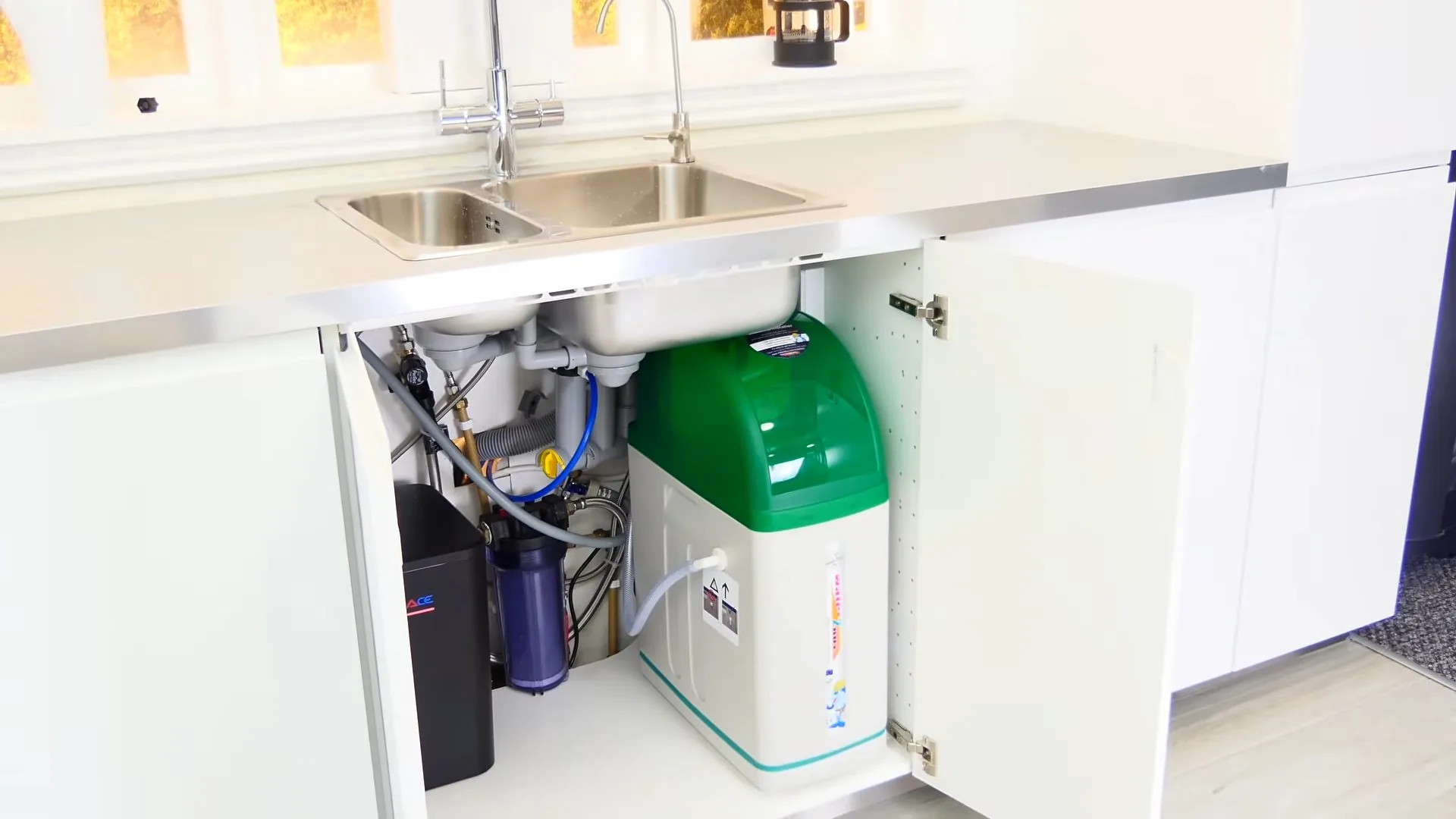
Reverse osmosis forces water through a membrane that excludes most dissolved solids, and it produces the cleanest drinking water of any domestic option. The practical realities are worth stating before you buy one rather than after.
What an RO system means day to day
- It is slow, so it fills a small storage tank and the tank is what you draw from
- It produces waste water alongside treated water, which matters in a county that watches its supply
- It needs its own tap at the sink, and space under the cabinet for the unit and tank
- Filters and the membrane need replacing on a schedule, not when they fail
- On hard water it works better downstream of a salt-based softener, because scale shortens membrane life
That last point is the one that ties the two pages together. On a well with genuinely hard water, an RO unit installed without addressing hardness first will underperform and need a new membrane far sooner than it should.
Test your water first to decide on filtration, softening or neither
Not sure whether you need filtration, softening or neither? A test answers it, and it is the cheapest step in the whole process.
Call (833) 571-0120Filtration questions from Boerne
What is actually in Boerne's water?
The city publishes it annually. For 2025, system TX1300001 drew roughly 79 percent surface water, mostly purchased from the Western Canyon project at Canyon Lake with some from Boerne Lake, and about 21 percent groundwater from the Trinity Group aquifers. The full report lists the regulated and unregulated constituents, and Boerne Utilities will send you the current one on (830) 248-1538. If you are on a private well, none of that applies to you and a test of your own water is the only real answer.
What does a filtration system cost?
An undersink carbon unit is the least expensive option and often solves the actual complaint. An undersink reverse osmosis system costs more. Whole-home sediment and carbon filtration sits higher again, and a well setup combining sediment, softening and UV is the largest of the four. Our cost page carries wide ranges. The honest advice is to establish the problem before pricing the solution, because the gap between the cheapest and most expensive right answer is large.
Do I need a permit to have filtration fitted?
Point-of-use work under a sink is generally minor. A point-of-entry system ties into the main supply and usually needs a drain, which is proper plumbing work. Boerne has adopted the 2021 International Plumbing Code and requires contractors to be registered with the city to work within city limits. Permitting and Code Compliance at 447 N. Main Street can confirm a specific job on (830) 248-1529, and the Texas State Board of Plumbing Examiners lookup lets you verify a plumber's license yourself.
Do I need filtration if I already have a softener?
They do different jobs, so possibly. A softener deals with scale and will not change how your drinking water tastes. If your complaint is taste, odour or sediment, that is a filtration question. Many properties here end up with a softener for the plumbing and a small point-of-use filter at the kitchen tap for drinking, which is usually less expensive than one system trying to do both jobs badly. If scale in the water heater is the real complaint, that points at softening rather than filtration.
Is a whole-home system worth it, or is an undersink unit enough?
For most city-supplied houses where the complaint is drinking water taste, an undersink unit is enough and costs a fraction of the alternative. Whole-home treatment earns its place where every outlet genuinely needs it: a well with sediment or biological concerns, or a property where scale and staining affect fixtures throughout. We would rather fit the smaller thing that solves your actual problem than the larger thing with a better margin.
Want a test to show what your water needs?
A test tells you what you are actually dealing with. Everything after that is a straightforward equipment decision.