Leak detection
Slab Leak Repair in Boerne, TX: Warm Floor Patches, Running Water Sounds and Sudden Bills
Water surfacing through flooring, a warm patch underfoot, or the sound of water running with every tap closed. We locate it before anything gets cut.
Or call (833) 571-0120 and describe what you are seeing.
The signs that actually point under the slab
A slab leak announces itself in ways that are easy to misread. Water appearing at the edge of a room gets blamed on a washing machine. A warm patch on a tiled floor gets put down to sun through a window. A bill that climbed gets blamed on the irrigation.
What separates a slab leak from those is that the water is under pressure and it never stops. The meter test settles it in minutes: with every fixture in the house closed, a meter that is still turning means water is escaping somewhere on your side of it. For slab leak repair, Boerne homeowners are better served by a meter test and a listening tool than by breaking the floor first.
What people actually notice first
- A patch of floor that is warmer than the floor around it, which means the hot line
- The sound of running water with everything turned off, often clearest at night
- Water appearing at the base of a wall or seeping up through grout lines
- A water bill that stepped up and stayed up
- Damp or a musty smell in one room that does not shift
- Pressure that has dropped across the whole property rather than at one tap
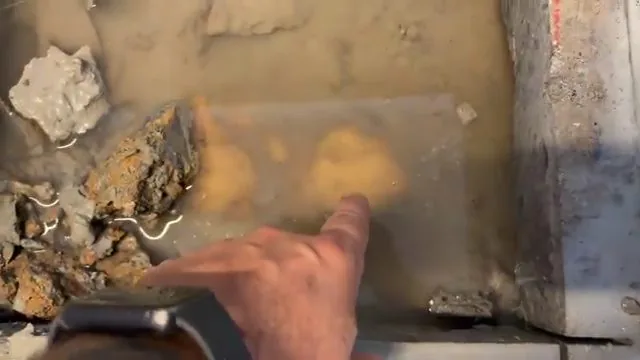
What is actually under your floor in Boerne
This matters more than people expect, because the foundation type decides whether a repair means cutting concrete at all.
| Foundation type | Where it shows up here | What a leak means |
|---|---|---|
| Pier and beam | Much of the older and historic stock in and around town | Lines are reachable from the crawlspace. Often no concrete work at all |
| Slab on grade | Common across the suburban build-out | Repair means cutting the slab, or rerouting above it |
| Post-tension slab | Increasingly the choice for new construction here | Plumbing is embedded in the concrete, so access is genuinely limited |
| Drilled piers to bedrock | Steep lots, where limestone is shallow | Depends what the line runs through; usually better access than a slab |
There is a local assumption worth correcting. People expect slab leaks to be an old-house problem, because that is how it works in older metros. Boerne does not follow that pattern. The older homes here are frequently pier and beam, where the plumbing is accessible without demolition, while the fast suburban growth of the last fifteen years has gone up on slabs, including post-tension slabs where the pipework is cast into the concrete.
So a 2015 house can be a harder slab leak to reach than a 1955 one. We would rather establish which you have before quoting than assume from the age on the deed.
Post-tension slabs: cables are located before anything is cut
This is a safety matter, not a preference
A post-tension slab is held in compression by steel tendons under very high tension. Cutting one is dangerous to the person holding the saw and structurally serious for the building. Any contractor who proposes opening a post-tension slab without scanning for cables first is telling you something important about how they work.
We scan before we cut, every time. Where the cable layout makes a breakout unwise, an overhead reroute is usually the better answer anyway.
Builders here increasingly favor post-tension for new construction, so this comes up on a growing share of the housing stock rather than on the occasional outlier.
Locating a slab leak without opening the floor first
-
Confirm at the meter
Everything off, then watch the meter. If it is not moving, you do not have an active leak and we will say so rather than starting work.
-
Isolate hot from cold
Shutting the supply to the water heater and re-testing tells us which line is involved, which halves the search area straight away.
-
Pressure test the lines
Isolating sections and watching pressure hold or fall narrows it from a house to a run.
-
Locate acoustically
Ground microphones pick up the sound of escaping water through the slab. On a hot line, thermal imaging usually corroborates it.
-
Scan for tendons and services
On a post-tension slab, before anything else is decided. Also where any other buried service might cross.
-
Mark it and talk through the options
You get the location and the choice between a spot repair and a reroute before the first cut, not after.
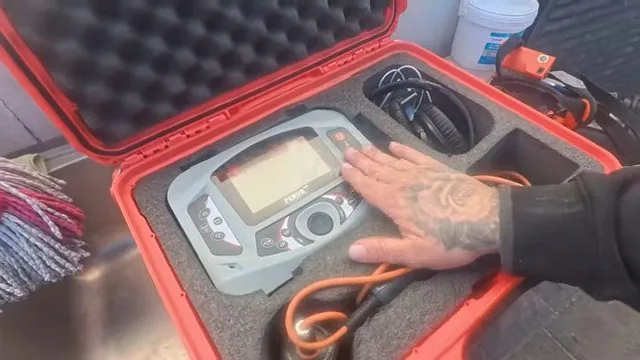
Spot repair, or reroute around it
| Approach | Suits | Trade-off |
|---|---|---|
| Spot repair through the slab | One isolated leak, a sound system, accessible location | Concrete breakout and reinstatement; floor covering is disturbed |
| Overhead reroute | Post-tension slabs, awkward locations, repeat failures on one run | New line run through walls and ceiling; patching, no concrete work |
| Reroute the affected run | Two or more failures on the same line | More pipe, but it retires the run that keeps failing |
| Whole-property repipe | A system failing in several places | Largest job, but it ends the cycle rather than extending it |
The honest dividing line is how many times the system has let go. A first isolated leak on an otherwise sound system is a spot repair. By the second or third failure on the same run, continuing to chase individual leaks costs more than retiring the run. Where the no-dig approach is the right fit for a buried line rather than one under the slab, that is covered on our trenchless pipe lining page.
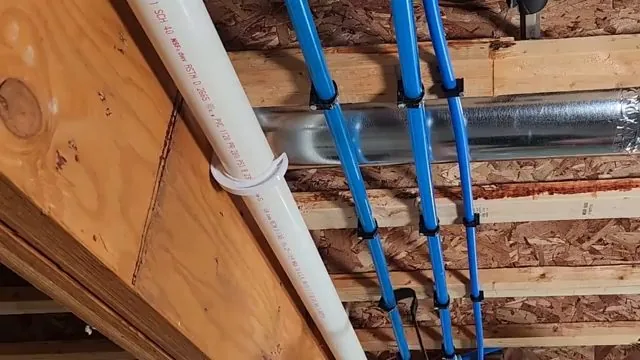
Insurance, and what tends to be covered
Slab leak claims turn on a distinction that catches people out. Many policies treat the resulting damage differently from the pipe itself and from the cost of getting at it. Whether access and reinstatement are covered varies considerably between policies, and so does whether a gradual leak is treated differently from a sudden one.
We are plumbers rather than loss adjusters, so we will not tell you what your policy covers. Where the escaped water has already soaked into the building, drying it out is separate work covered on our water damage cleanup page. What we can do is give you a written record of what was found, where, and what was done, which is what an insurer will ask for. Photograph the damage before anything is repaired, and tell your insurer before work starts rather than after.
Before any digging, on any property
Utility locating is required before excavation. That applies to us and it applies to you, and it is worth saying plainly because a buried gas or electrical service is not something to find with a spade.
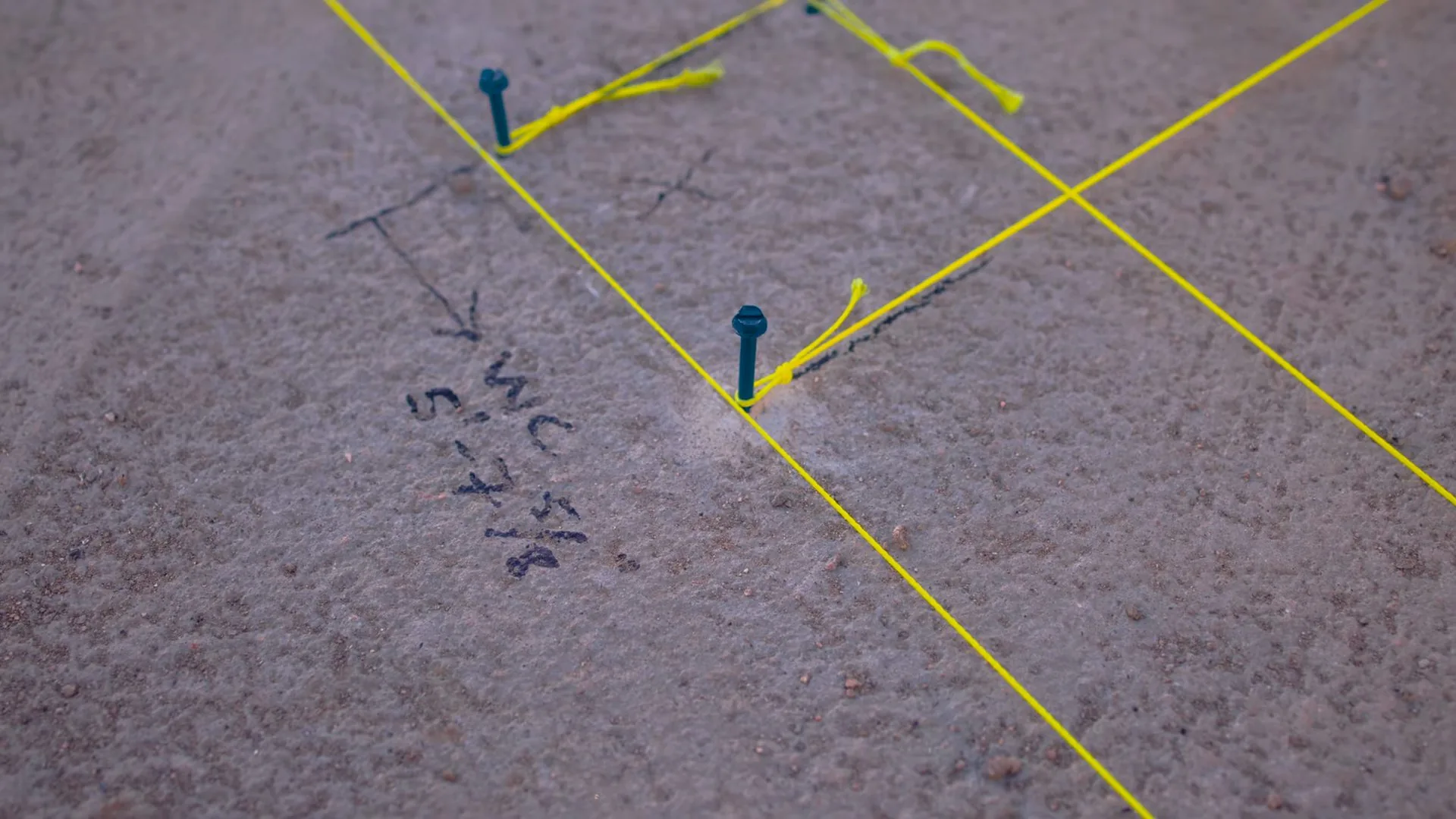
The meter test: turning with everything off means call today
T
o
r
u
n
i
t
,
s
h
u
t
o
f
f
e
v
e
r
y
t
a
p
a
n
d
e
v
e
r
y
a
p
p
l
i
a
n
c
e
t
h
a
t
u
s
e
s
w
a
t
e
r
,
t
h
e
i
c
e
m
a
k
e
r
i
n
c
l
u
d
e
d
,
a
n
d
w
a
t
c
h
t
h
e
m
e
t
e
r
'
s
l
o
w
-
f
l
o
w
d
i
a
l
o
r
r
e
d
s
w
e
e
p
h
a
n
d
f
o
r
a
f
e
w
m
i
n
u
t
e
s
.
M
o
v
e
m
e
n
t
m
e
a
n
s
w
a
t
e
r
i
s
l
e
a
v
i
n
g
t
h
e
h
o
u
s
e
s
o
m
e
w
h
e
r
e
.
A
w
a
r
m
p
a
t
c
h
o
n
t
h
e
f
l
o
o
r
o
r
t
h
e
s
o
u
n
d
o
f
r
u
n
n
i
n
g
w
a
t
e
r
m
a
k
e
s
a
s
l
a
b
l
e
a
k
m
o
r
e
l
i
k
e
l
y
,
b
u
t
t
h
e
m
e
t
e
r
i
s
w
h
a
t
t
e
l
l
s
y
o
u
w
h
e
t
h
e
r
t
o
c
a
l
l
.
If the meter is turning with everything off, that is worth a call today. The damage from a slab leak accumulates quietly.
Call (833) 571-0120Slab leak questions from Boerne homeowners
What are the most common signs of a hidden slab leak?
A warm patch on the floor, which points at the hot line. The sound of running water when every tap is closed, usually most noticeable at night. Water seeping up through grout or at the base of a wall. A water bill that stepped up and stayed up. And a drop in pressure across the whole property rather than at a single fixture. Any one of those is worth a meter test, which costs nothing to do yourself before you call anyone.
What does slab leak detection and repair cost here?
Detection and a spot repair sit well into the thousands in this area, and the spread is wide because it depends on how long acoustic location takes, how deep the line is, and whether the answer is a concrete breakout or an overhead reroute. A reroute often costs less than a deep breakout once reinstatement is counted. Our cost page carries wide ranges by job type, and we quote after locating rather than before.
Does a slab leak repair need a permit, and who should do it?
Boerne has adopted the 2021 International Plumbing Code and requires contractors to be registered with the city to pull permits and work inside city limits. Work that opens a slab or reroutes supply lines generally falls inside that regime. On the licensing side, Texas plumbers are licensed by the Texas State Board of Plumbing Examiners, which publishes a license lookup you can check before anyone starts cutting into your foundation.
Why do slab leaks seem worse during a dry spell?
Because the ground moves. Cow Creek Groundwater Conservation District, the groundwater authority for Kendall County, recorded a monitored well at 10.95 feet below its September average on 28 September 2026, with September rainfall of 0.49 inches against a 3.82 inch historical average. Soil that dries out shrinks, and shrinking soil loads anything rigid running through or under it. That is why these calls arrive in clusters during dry stretches rather than evenly through the year.
Can you repair it without breaking up my floor?
Often, yes. An overhead reroute runs a new line through walls and ceiling and abandons the failed section in place, which means patching rather than concrete work. On a post-tension slab it is frequently the better option regardless, because opening that kind of slab requires locating the tendons first and the cable layout does not always allow a safe cut. We will tell you which approaches are genuinely available at your property once we know where the leak is.
Think you have a slab leak?
Do not break anything open yet. Tell us what you are seeing and we will confirm it at the meter first.